September 2026
S M T W T F S
 12345
6789101112
13141516171819
20212223242526
27282930  

News Categories

Site search

More About The Peru Gazette

The editor is John Ryan at email: perugazette@gmail.com. The Peru Gazette is a free community, education and information website. It is non-commercial and does not accept paid advertising.

Comment Policy

The Peru Gazette welcomes comments on posted stories. The author MUST include his/her first and last name. No  foul or libelous language permitted. The Peru Gazette reserves the right to not publish a comment.

Recent Comments

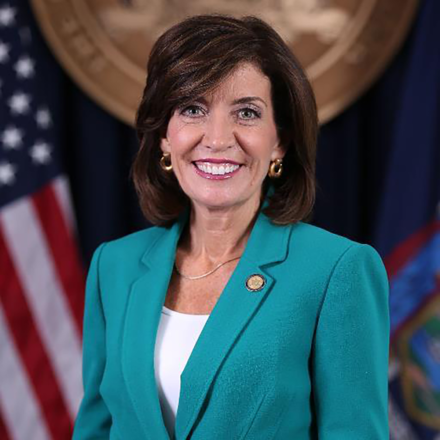
Gov. Hochul signs legislation to support 1/11 victims, responders, New York’s National Guard and their loved ones

September 10, 2026 A.11531 / S.10605 Extends the Deadline To Submit Documentation With the State’s Retirement Systems and the New York State Workers’ Compensation Board Detailing an Individual’s Participation in World Trade Center Rescue, Recovery and Clean-Up Operations

A.11538 / S.10650 Extends the Expansion of Eligibility for World Trade Center Death and Disability Benefits for Members of New York’s National Guard and Their Beneficiaries

A.11213A/S.10085A Extends the 25-Year Presumptive Eligibility Period for Certain Retirement Benefits for Injuries or Illnesses Related to World Trade Center Rescue, Recovery and Cleanup

“None of us will ever forget the horrific attacks on our state and nation on that day in 2001 — nor will we ever forget the unflinching bravery and sacrifice of civilians and first responders whose lives were devastated,” Governor Hochul said. “As we mark the 25th anniversary of the events at the World Trade Center, the Pentagon and in Pennsylvania, we sign these three laws to support and honor those whose lives were transformed on that terrible day.”

A.11531 / S.10605 amends the Retirement and Social Security Law to extend to September 11, 2030, the deadline to submit documentation with the retirement system detailing an individual’s participation in World Trade Center rescue, recovery and clean-up operations following September 11, 2001. This legislation also extends the deadline to submit Form WTC-12 to the New York State Workers’ Compensation Board until September 11, 2030. Submitting the proper documentation preserves an individual’s right to file a claim for workers’ compensation benefits in the future for any injury or illness caused by participation in rescue, recovery and clean-up operations between September 11, 2001, and September 11, 2002. All such persons who participated at Ground Zero, Fresh Kills Landfill, the barges, the piers and/or the morgues during that time should file Form WTC-12 whether they were injured or not.  

The legislation also requires the Board to reconsider any claims in which the worker became disabled between September 11, 2021, and September 11, 2025, which were previously disallowed due to the deadline, and extends the time limit for filing new claims for injuries or illnesses occurring within that timeframe until on or before September 11, 2030.

State Senator Robert Jackson said, “Twenty-five years after September 11, remembrance must mean more than looking back — it must mean standing by those who carried New York through its darkest hour. I am proud that S.10605 and S.10085A, two bills I sponsor, are now law because our responsibility to the 9/11 community cannot be measured by the passage of time. The years may move forward, but sacrifice does not expire, illness does not obey a calendar, and neither should justice. I commend Governor Hochul for signing these measures into law and affirming a promise that must endure across generations: New York remembers, New York honors and New York stands by those who stood for us.”

Assemblymember Charles D. Fall said, “Twenty-five years after September 11th, the heroes who answered the call are still living with the consequences of the courage they showed that day and in the months that followed. We can never put a deadline on our responsibility to them. I’m proud that my legislation is now law, ensuring that responders who ran toward danger, worked on the pile, and helped our city recover have more time to protect their right to the benefits they earned and deserve, especially as 9/11-related illnesses continue to surface decades later. ‘Never Forget’ must be more than words. It means remembering their sacrifice, standing with their families, and continuing to show up for the heroes who showed up for us.”

A.11538 / S.10650 extends by four years, through September 11, 2030, the deadline for submitting a claim for World Trade Center death and disability benefits for members of New York’s National Guard members and their beneficiaries. This relates to members of the National Guard who were activated on state active duty on or after September 11, 2001, to participate in World Trade Center site rescue, recovery or cleanup operations as part of their duty and determined to have incurred a qualifying World Trade Center condition.  

Assemblymember Grace Lee said, “Twenty-five years ago, thousands of our National Guard members answered the call to duty, descending on Ground Zero to assist in rescue and recovery efforts. Five members of the National Guard died on that tragic day, and many more have battled health complications as a result of their service. Thank you to Governor Hochul for signing this bill, as part of a package supporting 9/11 victims, responders and their families. We will never forget the sacrifices made by all who answered the call on 9/11, and we will keep fighting to honor and support them.”

A.11213A/S.10085A Extends the 25-year presumptive eligibility period for certain retirement benefits for injuries or illnesses related to World Trade Center rescue, recovery and clean-up, extending provisions allowing for the reclassification of retiree deaths as World Trade Center qualifying accidental deaths for retirees who die after having been retired for more than 25 years up to a maximum of 35 years.  

Assemblymember Stacey Pheffer Amato said, “The terrorist attacks on September 11, 2001 had, and still has, a profound lasting impact on our State’s history and is felt by many residents in our community, and across our great State. ‘Never Forget’ is not a motto, it is a real statement that New York is fully committed to honoring. Ensuring all 9/11 victims, first responders and their families can continue to receive the benefits and support they are entitled to is an essential part of that commitment. I commend Governor Hochul for her continued dedication to helping those impacted by the 9/11 terrorist attacks and applaud her for signing these vital pieces of legislation into law.”

New York State Workers’ Compensation Board Chair Freida D. Foster said, “The Board applauds Governor Hochul’s tireless work fighting for the best outcomes for all New Yorkers and especially the brave responders who put their own lives on the line to help others. As World Trade Center health consequences continue to manifest 25 years later, the New York State Workers’ Compensation Board remains dedicated to ensuring World Trade Center victims, responders, and surviving family members get every benefit they are entitled to receive. We continue to urge all those who participated in the rescue, recovery, and clean-up efforts to file a WTC-12 form to preserve their rights to file a claim for workers’ compensation benefits should they ever need them.”  

New York State AFL-CIO Mario Cilento said, “These bills are critical to ensuring that the workers who answered the call to rescue, recover, and clean up at the World Trade Center in the aftermath of the 9/11 terrorist attacks are no longer denied the benefits they and their families have earned and deserve. By signing these bills into law as we mark the 25th anniversary of the attacks, Governor Hochul has once again demonstrated her unwavering support for those who risked their own lives to save others. We thank her for her continued commitment to addressing the ongoing struggles faced by so many selfless heroes.”

Police Conference of New York President Michael O’Meara said, “The Police Conference of New York, representing almost 50,000 police officers across New York State sincerely thanks Governor Hochul and the members of the New York State Legislature for remembering and honoring the commitments to all of our brave 1st responders by passing and signing these bills into law. The Governor has once again shown courage and resolve in these meaningful actions that will have real impact on the brave men and women who so proudly served our state in its darkest hours. Thank you.”

NYC PBA President Patrick Hendry said, “These bills are far more than a tribute to our 9/11 heroes. They are a promise to the responders and their families that the benefits they count on will remain available for years to come. We thank Governor Hochul and the legislature for once again showing that there is no expiration date to our obligation to care for those who sacrificed their health to protect our city.”

NYPD DEA President Scott Munro said, “Our Detectives are still dying from 9/11-related cancers, and their families are still living with the devastating consequences of the work they did at Ground Zero. For 25 years, they have paid the price for breathing toxic air while answering the call. The DEA has never stopped fighting to protect our members and their families, and we never will. Governor Hochul’s signing of this legislation ensures that those who sacrificed their health in service to this city will continue to receive the benefits they earned and deserve. We are grateful to her for standing up for what is right.”

New York State Professional Firefighters Association President Sam Fresina said, “On behalf of every professional firefighter who answered the call on September 11th and in the months of rescue, recovery, and clean-up that followed, we thank Governor Hochul for signing this critical legislation. We have long known that WTC-related illnesses, cancers, respiratory disease, and other conditions do not follow a calendar. They can emerge decades after exposure. A twenty-five-year window left too many of our brothers and sisters and their families without the protections they earned through their service and sacrifice. This extension is a direct response to what our doctors, our union locals and our families have been telling Albany for years: the WTC health crisis is ongoing, and our laws must reflect that. We are grateful to Governor Hochul, Senator Jackson, Assemblywoman Pheffer Amato and every legislator who fought to get this bill across the finish line.”

UFA President Bobby Eustace said, “On the eve of the 25th anniversary of September 11th, the Uniformed Firefighters Association thanks Governor Kathy Hochul for signing legislation that recognizes the extraordinary sacrifices of New York City firefighters. As we remember the 343 FDNY members murdered on September 11th and the hundreds more we have lost to World Trade Center-related illness, this action carries special meaning. Governor Hochul has shown that she stands with the FDNY and the families who have carried this burden for 25 years. We are grateful for her leadership and commitment to those who continue to protect this city.”

UFOA President Jim Brosi said, “The Uniformed Fire Officers Association would like to express our sincerest gratitude to Governor Hochul for extending line-of-duty death benefits for an additional 10 years for all officers and firefighters who succumb to 9/11-related illness. The World Trade Center pension protection benefit was one of the few legislative accomplishments that gave our members the peace of mind that their families would be protected if the effects of working at Ground Zero eventually took their life. You have always understood the importance of protecting members’ benefits and the families they leave behind. Your continued support and recognition of this ongoing crisis gives real peace of mind to members and families who suffer chronic illness, and to the families who have lost loved ones because of their service on that day and in the months that followed. The extension of this benefit should give all members the peace of mind that, despite the immeasurable suffering they’ve endured, they will not be without coverage — and their families will not go without the protection they earned.”

FDNY EMS Local 2507 President Michael Greco said, “The members of the FDNY EMS salute Governor Hochul for this important action she is taking by signing three laws intended preserve the health and rights of our members and retirees who participated in the World Trade Center rescue, recovery and cleanup operation a quarter-century ago. As the recent release of documents by the City of New York illustrated, early on, officials were highly concerned about the toxic environment at Ground Zero but still did not pause the essential work of our members on the front lines. Extending crucial health related benefit deadlines for those health- impacted members, is the right thing to do and we thank the Governor for signing these bills along with Assemblymembers Grace Lee, Stacey Pfeffer Amato, Charles Fall, and Senators Robert Jackson and Brian Kavanagh, for introducing them.”

New York State Public Employee Conference Chairman Peter D. Meringolo said, “NYSPEC led the negotiations which, in 2005, after an almost four-year battle chiefly with the City of New York, culminated in the original 9/11 Presumptive Disability Legislation. That first bill, which has been improved and expanded upon numerous times over the years, has helped several thousand public employees and their families. Unfortunately, the law, and all its benefits, was set to expire this Friday, the 25th Anniversary of the heinous attacks. On behalf of the more than one million active and retired public employees we represent, we thank Senator Robert Jackson and Members of the Assembly Charles Fall and Stacey Pheffer Amato for sponsoring and advancing bills to extend the original legislation and the filing dates, and we applaud Governor Kathy Hochul for signing these two crucial measures into law!”

For more information on the NYS Workers’ Compensation Board’s World Trade Center registry and other supports available to 9/11 victims, responders, and families, visit: https://www.wcb.ny.gov/WTC/wtc-assistance.jsp.

###

Read more »

Chamber of Commerce President & CEO Garry Douglas recalls how our Canadian neighbors helped us on 911

Plattsburgh, NY (September 10, 2026) — As we observe the 25th anniversary of the tragic events of 9/11, my thoughts turn to the help of good friends and particularly our Canadian neighbors that day. More than 250 U.S. bound flights were forced to land in Canada, including 38 at the large airfield in the small, isolated town of Gander, Newfoundland. They disembarked 6,595 scared and bewildered people at Gander — almost the town’s population. And as Canadians have always done, especially for their American friends, the call went out to everyone, from seniors to children: “Lend a hand! Do what you can!”

And did they respond! Pooling food, bedding, clothes, and so much more. Preparing meals. Looking after children. Local pharmacies providing prescriptions at no cost. Forming lasting friendships that continue.

And then some 40,000 Canadian troops fought with us for years in Afghanistan.

But this is the special and unique pattern of Canadian support for Americans for over 150 years.

Canadians are the people who enlisted in the Union Army in our Civil War by the tens of thousands in support of freedom. Who landed on the beaches of Normandy with us. Who have earned 61 Medals of Honor serving in our military. Who wept with us after the assassination of President Kennedy and renamed a Montreal avenue in his memory. Who rescued our diplomats in Tehran at high risk. Who responded tremendously to Katrina. And yes, who took Americans into their hearts at Gander on 9/11.

It has been and hopefully will be an incredible people-to-people relationship. But as the 9/11 anniversary instructs us that remembrance is important, its link to the special support, time and time again, of Canadians for America and Americans warrants strong remembrance and commemoration too.

What does Canada have that we need? Set aside all things economic — as substantial as that list is. As in our individual existence, do we not need the special bonds of special friendship, infused with kindness, generosity, dependability, shared values and familial level connection? Let’s all think about the grim sadness of 9/11 but also allow our thoughts to look north to the extraordinary humanity of the Canadian residents of Gander that dreadful day.

We remember!

Garry Douglas, President and CEO
North Country Chamber of Commerce

Affordable housing project falls apart over infrastructure gaps in Highgate

A value lesson for other small towns 

Click here for the Vermont Public story 

A tale of two Adirondack fire towers: So different but worth the effort

Hikes up Lyon Mountain and Stillwater Mountain provide different yet similarly enjoyable experiences from the fire towers at the summits

Click here for the Adirondack Explorer story

Prepare for Emergencies 

Plattsburgh, September 9, 2026. It’s National Preparedness Month and the Clinton County Health Department is reminding residents to plan ahead for different types of emergencies. 

“Emergency preparedness is really just planning ahead to have the necessary tools available before you need them,” explained Mark Lafountain, Emergency Preparedness Coordinator at CCHD. “Think about what you might need to survive or just get by during various emergencies and make a plan to acquire those things. Being prepared before an emergency happens can make all the difference for our families and our communities.” 

“I encourage everyone across the North Country to take National Preparedness Month as an opportunity to make sure they are ready,” said Mark Henry, Chairman of the Clinton County Legislature. “Whether it’s a severe winter storm, flooding, a power outage, or another unexpected emergency, taking the time now to make a plan and gather basic supplies can help protect our loved ones and give us greater peace of mind.” 

Emergencies can come in all forms. Weather events (snow, ice, rain, wind, flooding, extreme heat, extreme cold, etc.), fires (home or forest), natural disasters, financial hardships, cyberattacks, loss of communication, and power outages are all scenarios residents should prepare for. 

“Think about what could affect you and your loved ones,” advised Mr. Lafountain. “In some instances, you may need to relocate to a safer spot (evacuate) and in other instances, you may be advised to shelter-in-place (stay where you are).” 

To start planning for emergencies, discuss the following questions with your family, friends, or household and tailor your plans and supplies to the specific daily needs of your household. 

  1. How will I receive emergency alerts and warnings? 
  2. What is my shelter plan? 
  3. What is my evacuation route? 
  4. What is my family/household communication plan? 
  5. Do I need to update my emergency preparedness kit? 

“Once you have created and practiced your plans with your family, it’s time to build your emergency kit,” added Mr. Lafountain. “An emergency kit should have basic items that you need in your everyday life. Try to aim for at least 3 days and up to 7 days of self-sufficiency.” 

Include items like:  Read more »

Vermont Air National Guard members return home from deployment

Click here for the Vermont Public story 

DiNAPOLI: LOWER MANHATTAN, 25 YEARS AFTER 9/11

New Report Highlights Remarkable Growth, Resilience, and Transformation of Neighborhoods Around Ground Zero

September 9, 2026 – Lower Manhattan has undergone a profound transformation in the 25 years since the terror attacks on Sept. 11, 2001. A diversified business community, an expanding tourism sector, major public transportation investments, and the emergence of a 24-hour neighborhood that has seen the number of housing units and residents more than double since 2000, are testament to New York’s and the nation’s determination to recover and rebuild stronger than before. In a report released today, New York State Comptroller Thomas P. DiNapoli examines the socioeconomic changes that have helped shape Lower Manhattan’s evolution. A companion report highlights the work of the 9/11 Memorial & Museum to educate the public and support 9/11 families. Read more »

Amy Guiglielmo, Director of Plattsburgh Outside Art speaking at September 30 gathering

Plattsburgh Public Art Project is celebrating ten years beautifying the North Country and building community through art.  Meet Outside Art Director Amy Guglielmo as she shares the inspiration for the 20 plus mural projects in the region and why public art matters and benefits us all.  Learn about the future goals of the organization and how it takes a village to paint the town.

Local farmstands have the harvest spirit

Thanks to Rochelle Ginis for her photo taken on Labor Day at Northern Orchard’s Farm Stand, Union Road in Peru.

Granny’s Attic Boutique and Bake Sale on Sept. 26

Enjoy the 48th Annual Applefest on Saturday, September 19

Is the EPA abandoning its mission?

Click here for the Adirondack Explorer story 

Lake Champlain botanical garden’s hunt for a home

The idea for a world class botanical garden in the Champlain Valley was inspired by a group of women planting lilacs.

Click here for the NCPR story 

NYSLRS ANNOUNCES EMPLOYER CONTRIBUTION RATES FOR SFY 2027-28

September 8, 2026 – State Comptroller Thomas P. DiNapoli today announced employer contribution rates for the New York State and Local Retirement System (NYSLRS) for State Fiscal Year (SFY) 2027-28. Employers’ average contribution rates will decrease from 17.6% to 17.3% of payroll for the Employees’ Retirement System (ERS) and increase from 36.5% to 37.4% of payroll for the Police and Fire Retirement System (PFRS). Read more »

What to know about Canada’s escalating trade war with the U.S.

Click here for the NCPR story 

Doctors Share Healthy Cooking Tips

Free interactive class features demos, recipes and tasting

Plattsburgh, NY – Learning to prepare healthy meals doesn’t have to be difficult or expensive. The University of Vermont Health Network – Champlain Valley Physicians Hospital (CVPH) Family Medicine Residency will host Cooking with A Doc on Monday, Sept. 14, from 5 to 6:30 pm at 159 Margaret St., Suite 101, offering practical, budget-friendly strategies for healthier eating.

The free community program will show participants how to prepare healthy, affordable meals using simple ingredients and easy-to-follow techniques.

Designed to make healthy eating easier, the interactive event will feature cooking demonstrations, recipe ideas, nutrition education, food samples and practical tips that families can use at home. Participants will learn that preparing nutritious meals does not have to be expensive, complicated or time-consuming.

Additional sessions are planned for Oct. 19, Nov. 16 and Dec. 14. All are welcome and no registration is required.

Army engineers to map out former Plattsburgh air base’s aging infrastructure

Click here for the NCPR story 

Sweets Treats New Hours Start Today

September 8, 2026 – With school back in session and fall right around the corner, we’re switching to our new hours! ‼️We’ll now be open daily from 3–8pm.‼️ Come see us for an afternoon or evening treat! 🫶

250 Years Later: Why Valcour Matters

Clinton County will mark the 250th anniversary of the Battle of Valcour Island with three days of education, living history, music, ceremony and public commemoration, October 9-11, 2026. The weekend brings the story of the 1776 Lake Champlain campaign into the present through museum programs, a reenactor encampment, a battlefield legacy-project dedication, trips to Valcour Island, lighthouse tours, performances by a U.S. Navy Band ensemble, a commemorative ceremony and a reenactment of the battle.

The Battle of Valcour Island was fought on October 11, 1776, in the waters between Valcour Island and the New York shore. Benedict Arnold’s American flotilla faced a larger and more powerful British force advancing south from Canada. Although the American fleet suffered severe losses, its resistance helped delay the British campaign until the following year. That delay gave American forces additional time to prepare for the 1777 campaign that culminated at Saratoga, a victory that helped bring France openly into the war on the American side.

Valcour’s importance is therefore larger than the tactical outcome of a single day’s fighting. The battle illustrates the strategic importance of Lake Champlain and the Hudson River corridor, the urgency of the American effort to slow the British advance, and the extraordinary consequences that can follow from gaining time.

A Battlefield That Continues to Reveal Its Story

The underwater battlefield at Valcour Bay has continued to yield evidence of the men, vessels and weapons involved in the 1776 engagement. The Valcour Bay Research Project grew from Edwin R. “Ed” Scollon’s 1999 discovery of a major fragment of a cannon that had exploded aboard the American gondola New York. Over years of archaeological survey and research, the project documented the battlefield and recovered evidence that has helped reconstruct what happened aboard the vessel.

On July 20, 2026, researchers raised the final major fragment of the exploded cannon from Lake Champlain. The discovery brought renewed attention to a story the Research Project has pursued for more than a quarter century. Contemporary accounts and subsequent research identify Lt. Thomas Rogers as killed in the explosion and other crewmen injured.

The 250th anniversary weekend will recognize the Valcour Bay Research Project Team at Friday evening’s Commemorative Dinner. Following dinner, Scollon will present on the team’s research and the July 20, 2026 recovery of the final major fragment of the cannon that exploded aboard the gondola New York during the 1776 battle.

A Community Commemoration

The anniversary observance brings together historical research, remembrance, and living history. Programs range from a school-day presentation by the Native North American Traveling College to museum tours, living-history interpretation, a Legacy Project dedication at the National Historic Landmark at the Peru Boat Launch, boat trips to Valcour Island and the Bluff Point Lighthouse, and a weekend presence by a U.S. Navy Band ensemble.

Sunday’s program at Plattsburgh City Beach includes the Saranac Chapter NSDAR’s 131st Commemoration Ceremony and a Battle of Valcour Island reenactment. The long-running DAR observance connects the 250th anniversary to generations of local remembrance and preservation.

FRIDAY – OCTOBER 9

Native North American Traveling College

4th & 5th Grade School Program – Not Open to the Public

  Plattsburgh State Field House
CCHA Museum Tours 10:00 a.m.-3:00 p.m. 98 Ohio Avenue, Plattsburgh
Commemorative Dinner $

Reservations required

Reception 5:00 p.m.
Dinner 6:00 p.m.
West Side Ballroom
253 New York Road, Plattsburgh

SATURDAY – OCTOBER 10

Reenactor Encampment & Living History 9:00 a.m.-4:00 p.m. Plattsburgh City Beach
Dedication of the Legacy Project 11:00 a.m. National Historic Landmark at Peru Boat Launch
Boat Trips to Valcour Island / Bluff Point Lighthouse Tours

Reservations suggested

9:30 a.m.-1:30 p.m. Departing from the Peru Boat Launch
CCHA Museum Tours 10:00 a.m.-3:00 p.m. 98 Ohio Avenue, Plattsburgh
U.S. Navy Band Ensemble 7:00 p.m. Giltz Auditorium
SUNY Plattsburgh

SUNDAY – OCTOBER 11

All of Sunday’s events will be held at Plattsburgh City Beach.

U.S. Navy Band Ensemble 10:00 a.m. Plattsburgh City Beach
Saranac Chapter NSDAR 131st Commemoration Ceremony 10:30 a.m. Plattsburgh City Beach
Battle of Valcour Island Reenactment


Memorial Service

~for those lost in the Battle of Valcour Island

12:00 p.m.


2:30 p.m.

Plattsburgh City Beach


Plattsburgh Memorial Chapel

100 US Oval

38 new affordable apartments open in downtown Burlington

Click here for the vtdigger story 

St. Augustine’s Community Meal/Soup Kitchen Menu for Wednesday, September 9, 2026

Goulash

Vegetable 

Bread

Dessert 

Served 4:30 to 5:30 p.m., take-out only, at St. Augustine’s Parish Center, 3030 Main St., Peru, NY 12972. 

All are invited and welcome!

Military Biographies of North Country Honor Flight #73 Veterans (September 5,2026)


Seyit Murat Aldas, US Army 1970-1971 Vietnam

Seyit was #13 in the draft, and he said this is all he won. He joined the Army as an 11 Bravo Infantryman. He attended boot camp and AIT at Fort Jackson South Carolina. 

Seyit was assigned to the 101st Airborne Charlie Company 2nd Battalion 506th Infantry, sent to Vietnam by way of Fort Ord California. He arrived in Phu Bai within the City of Hue. This was in Central Vietnam approximately 30 clicks outside the DMZ. He was involved in the Battle of Ripcord from July 1st to July 23, 1970, in the A Shau Valley. 

One notable story he shared was about receiving intel regarding the VC utilizing underground tunnels and that they may be held up in these tunnels. One day smoke was observed coming from the ground, so several soldiers hit the area with grenades, only to later find out that it was in fact a hot spring. The soldiers laughingly referred to it as the “Battle of Hot Spring.” They did enjoy a bath and a shave in it. 

Among his accolades, Seyit received the Bronze Star for his service. Seyit also served from 1978-1985 in the Reserves. 

Donald Joseph Auclair, US Air Force 1957-1961, Cold War

Donald joined the US Air Force along with 13 classmates from Tupper Lake High School under the buddy system. 

He attended basic training and AIT at Lackland Air Force Base to become an Admin Clerk. He was later assigned to Long Island Air Base as a part of Air Defense Command. He was later stationed at Minot Air Force Base in North Dakota. Donald recalled it being a very cold place with temperatures of -40F were soldiers received an extra $11/month for their troubles. He joked that Minot received its name because of all the patches in the fence, Airmen would refer to them as, “Hey that’s my knot.” 

Donald was assigned to pack KC135s when he met a Lt. Colonel who took him on as his right-hand man. He indicated it became easy work and everyone bowed to him because of his connection. Donald said at 17 years old, he grew up pretty fast at Lackland Air Force Base.

Raymond Bigrow, US Army 1972-1973, Vietnam, 

Raymond joined the United States Army on a promise by his recruiter that he could run track on the Army team, though he later learned that was not the case.

He attended basic training at Fort Dix as well as AIT.  Raymond was assigned to Fort Campbell Kentucky as a Personnel Specialist. Though the Army did not provide the opportunity Raymond initially entered for, he explained that he is a very proud Veteran. 

Raymond is actively involved in the American Legion and is commander of the Honor Guard and has also participated in over 250 funerals for Veterans as a member of the Honor Guard.

Patrick George Blinn, US Army 1969-1972, Vietnam

Patrick joined the US Army and attended basic training at Fort Dix. He later attended AIT at Fort Belvoir Virginia to be a diesel mechanic. 

 Patrick was sent to Quang Tri in Vietnam, a historic town which served as the frontline near the DMZ. Patrick later spent time in Hanover Germany, mostly ordering parts. 

Patrick recalled one story where he had to hitchhike from his base to the next base to fly home and he got picked up by an ammo truck. A child ran and jumped on the side of the truck and another soldier kicked the door open sending the child down an embankment into the river.  

After three years of service in the US Army, Patrick returned home carrying with him the experiences and memories of his time serving in Vietnam and Germany. His service was an important chapter in his life and a lasting part of his story as a US Army veteran.

William Robert Burns Jr., US Navy 1967-1997, Vietnam

Bill’s 30-year U.S. Navy career began with four years at the U.S. Naval Academy, where he was a four-year varsity tennis player and co-captain, followed by an all expense paid “tour” of Vietnam aboard the gunboat USS Gallup. 

After earning a Master of Public Administration from Harvard’s Kennedy School, Bill returned to sea, serving in increasingly responsible operational, engineering, and command positions. The highlight of Bill’s Navy career was commanding three ships, including the frigate USS Bagley, the ocean-going tug USS Ute, and, ultimately, the nuclear-powered cruiser USS Long Beach. 

Two memorable deployments stand out: Commanding the USS Bagley during Operation El Dorado Canyon in the Mediterranean and again as commanding officer of Long Beach, participating in Operation Fiery Vigil, helping evacuate military families and their pets following the catastrophic eruption of Mount Pinatubo in the Philippines.

As important as these patrols were, the lasting memory Bill has of that deployment was the moment he knelt on a sandy beach in Nice, France and asked his wife, Catherine, to marry him. She said yes and they will celebrate their 40th wedding anniversary this coming December.

 In retirement, Bill worked on a study commissioned by Congress and devoted much of his time to volunteer work, church, family, and community service. He has enjoyed life with his wife, children, grandchildren, and their dogs, while reflecting on how richly God has blessed him.

George Desotelle Jr., US Navy 1965-1969, Vietnam

George joined the Navy with little hope of attending college, as he came from a family with one working parent and seven siblings. With several relatives who had served in the Navy, George was familiar with military life and found the Navy appealing.  

George attended boot camp in Great Lakes Illinois where he reported a very cold 6 weeks. He was then stationed on the USS Orion and sent to Naval Air Station Pensacola for additional schooling as a radio operator. 

George spent time in Winter Harbor Maine in Acadia National Park doing Communications and then completed his career aboard the USS Georgetown. George reported sailing into the Indian Ocean before having to turn back stateside due to mechanical issues.   

Dennis Raymond Doyle, US Navy 1962-1964, Vietnam

Dennis joined the Navy for the opportunity to see the world. He entered Officer Candidate School in Newport, Rhode Island, but later left the program and continued training at Great Lakes, Illinois.

He was sent to Norfolk, Virginia, where he waited about a month for orders to the USS Enterprise. Dennis recalled a 26-hour flight from Norfolk to Port Lyautey, Africa, followed by another five- to six-hour flight to Rhodes, Greece, where he boarded the Enterprise.

Assigned to the Executive Division, Dennis specialized in Journalism and Communications. He described the Enterprise as a “show ship,” where celebrities such as John Wayne and Bing Crosby came aboard. He served aboard for 22 months.

Dennis recalled going to the Officers Club in plain clothes with others. An officer he had interviewed recognized him but did not discipline him, later telling Dennis he could have ended up in the brig.

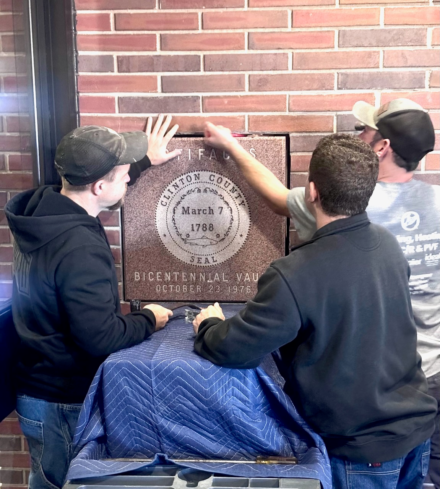
After 30 years with SUNY and 13 years with PARC, it is fitting that this ceremony takes place outside his former office.   

Kenneth Paul Ellis, US Army, 1969-1970 & 1991, Vietnam/Desert Storm

Ken was drafted into the US Army and attended basic training at Fort Dix. He then was sent to Fort Sam Houston to become, as he called it, “a grunt medic.” 

Ken was then sent to Korat, a base on the Cambodia/Thailand border which now serves as a base for the Royal Thai Air Force. At the time, this was a combat wing hub and Ken was sent there for close air support. Ken spent 1 month there, and this was designated a Hardship Tour Area. Ken received a 5 month early out and was discharged at Oakland Army Air Base. 

Ken later received an OCS Commission in 1991 after a Presidential Proclamation ordering him back to Active Duty during Desert Storm. Ken reported being on standby the whole time and serving approximately 2.5 months. 

When asked about any particularly humorous stories of his service, he simply replied, “Snakes & Monkeys.”

John Adrian Girouard, US Air Force, 1970-1974, Vietnam

John joined the US Air Force with a friend on the buddy system after receiving a draft notice. Unfortunately, John’s friend would pass in a car accident before they entered. 

John attended basic training at Lackland Air Force Base and received additional training at Lowry Air Base in Colorado to be a Material Facilities Specialist. John was then assigned to Dover Air Force Base in Delaware where he spent his time working in the warehouse.

John shared that one of the most difficult aspects of his service was being stationed at Dover, Delaware, home of the official Dignified Transfer location for the U.S. Armed Forces. He recalled witnessing the solemn arrival of metal transfer cases containing the remains of fallen service members—a deeply painful experience that left a lasting impression on him and continues to affect him to this day.

Robert Paul Lewis, US Army, 1967-1969, Cold War

Robert was drafted into the US Army right out of High School. He attended Basic Training at Fort Dix and then onto AIT at Fort Belvoir Virginia to train to become a Generator Operator and Mechanic. 

Robert was assigned to Weisbaden Air Base in Germany from January 1968 to June 1969.

Robert recalled fondly the good friends he made during his service. He especially remembered the “southern boys”. Robert also recalled chasing rats with the M151 and, one time when he was using the outhouse, a huge rat the size of a housecat came under the door. The unexpected encounter left Robert with a story he would never forget.

Robert went on to use the skills he learned during his service as a diesel bus mechanic for 21 years. He is also proud of his service as the Chaplain for the Keene Valley Legion for 20 years.  

John Wayne Patnode, US Marines, 1969-1971, Vietnam

John joined the Marine Corps on the buddy system with a close friend. He attended boot camp at Parris Island and ITR at Camp Lejeune.  John then attended pole climbing school at Camp Pendleton finally returning to Camp Lejeune for line training and running switchboard. 

John was sent to Vietnam in September 1970 outside Da Nang Hill until July 1971. John served as a door gunner on a medivac chopper for one month. He also served with the 1st Battalion 5th Marines as an MP for a while. 

John recalled a time where guys were out lifting weights and decided to lift a Commander’s Jeep between 2 stones. He said the Commander was good about it and gave them 20 minutes to get it put back. 

John credits the Marine Corps for teaching him discipline and unconditional respect for everyone.

John Poulin, US Army, 1953-1961, Korea

John volunteered to serve, and he said that they chose the Army for him.  He completed his basic training at Fort Dix and then finished cook school at the same location.

John was sent to Suwon Korea where he spent approximately 1 year there cooking for soldiers.  

John recalled one time finding a young Korean boy inside a trash can searching for food. He stated the boy had leprosy and it was hard seeing him like that.  John also reported enjoying his trip to Korea, especially the train ride to Suwon.

John returned to Fort Dix where he assisted with construction of new housing. John also served as the Colonel’s orderly on weekends. One time a new 2nd Lieutenant once told John he needed to early morning PT with the other soldiers, but the Colonel stepped in and fixed it for him. 

Brian Robert Stork, US Marines, 1970-1974, Vietnam

Brian was drafted into the Army but decided he would go explore other opportunities at the recruitment office in Plattsburgh. He recalled hearing that the Air Force and Navy had delayed entry programs, but they were too far out. He remembers looking down the hallway and the Marine recruiter said, “Wanna go tomorrow?”   

Brian attended Boot Camp at Parris Island and ITR at Camp Lejeune to be an Avionics Technician. Brian saw several different assignments throughout his career, including Memphis TN Naval Air Station, Cherry Point NC, Lwakuni Japan, and Subic Bay Naval Air Station in Luzon Philippines.   

Brian recalled how the Philippines has Martial Law from 11pm to 4am and he had to catch an early flight, so he ran through town to get back to base with getting caught by the Philippines Police. Brian also recounted a time in Lwakuni where he had a few beverages the night before and then had the best time he ever ran on his PFT the next day. 

Brian reflected how in his entire time in the Marines, he never touched a plane. He thinks one time he leaned against an A4 while sweeping the hangar but spent most of his time working on equipment for planes and component repair. 

Brian also served in the NY Army National Guard from 1982-1983 and then the Vermont Air National Guard from 1984-2001.

Gary Earl Taylor, US Navy, 1972-1976, Vietnam

Gary researched every military branch before choosing the Navy, following in his older brother’s footsteps—though his wife jokes he only picked it to impress her mother and win approval to marry her.

Gary attended Boot Camp at Great Lakes Illinois and his Class A School also there where he went from an E1 to E3. 

Gary was assigned to the USS Simon Lake, hull number AS 33, and was responsible for the emergency diesel generator. He later worked in the boat shop where he took care of the Captain’s Boat and recreational boats. 

Gary reflected on his service years as a good time. He stated that he didn’t have to live on the ship and instead lived on the beach with his wife. He said their house was the party house and they had good times every weekend with guitars and country music. Gary said they did a lot of camping and saw bull fights and the running of the bulls. 

Gary received a commendation for repair to a hydraulic crane after working 2 weeks straight of 12 hours on and 12 hours off. 

Correction: Due to an Editor’s error, Seyit Murat Aldas’ photo was not included until 1210 p.m. on Sept. 9. My apologies! He was present and accounted for

Military Biographies of North Country Honor Flight #72 Veterans (September 5, 2026)

Dennis Bardelcik, US Air Force 1969–1976, Vietnam Era

Dennis Bardelcik began his United States Air Force service at the age of 19. Inspired by his older brother, Dennis chose the Air Force and trained as a Navigation and Bombing Trainer Specialist, working with advanced flight simulator technology.

During his military career, Dennis worked with F-4 Phantom flight simulators and later served at RAF Upper Heyford in England. His work with classified simulator technology played an important role in preparing aircrews for combat missions.

After leaving active duty, Dennis continued his career in flight simulation with Singer Link, eventually relocating to the Plattsburgh area. He worked on F-111 simulators at the former Plattsburgh Air Force Base and witnessed remarkable advances in aviation technology throughout his career.

John Buttolph III, US Army 1964–1967, Cold War

John Buttolph III served in the United States Army from 1964 to 1967 during the Vietnam War era and the height of the Cold War. After completing two years of Army ROTC at Hillyer College, John chose to enlist rather than wait to be drafted.

Following basic training, John received specialized training in military intelligence at Fort Holabird. He was then assigned to the 513th Military Intelligence Group, Berlin Station, where he spent approximately two and a half years serving in West Berlin.

The 513th conducted Cold War intelligence operations, including espionage, counterintelligence, and signal and human intelligence collection and technical support throughout Europe.

Stationed near the famous Checkpoint Charlie, John experienced life in a city divided between East and West during one of the tensest periods of the Cold War. He remembers his time in Berlin as exciting, unique, and unlike anything else he could have experienced.

Michael McCole, US Coast Guard 1965-2000, Vietnam Era 

Michael McCole enlisted in the United States Coast Guard in June 1965, just days after graduating from high school at the age of 17. After basic training at Cape May, New Jersey, he served aboard the USCGC Cuyahoga, eventually becoming a Gunner’s Mate.

Michael deployed to Vietnam in support of Operation Market Time, helping prevent the movement of enemy supplies along the Vietnamese coastline. As a Gunner’s Mate Second Class, he served in the ship’s five-inch gun mount during combat operations.

After active duty, Michael returned to civilian life before reenlisting in the Coast Guard Reserve. He continued serving for another 28 years, ultimately retiring as a Master Chief Gunner’s Mate with more than 33 years of total service.

Throughout his Reserve career, Michael also became a certified small arms and marksmanship instructor, spending nearly two decades training Coast Guard personnel in firearms safety and qualification.

Paul Gainer, US Army 1966–1972, Vietnam 

Paul Gainer was drafted into the United States Army in January 1966 at the age of 19. After basic training at Fort Dix, New Jersey, he trained in the Signal Corps as a pole lineman before preparing for deployment to Vietnam.

Once deployed, Paul spent 21 days traveling by ship from California to Vietnam, crossing the International Date Line along the way. Once there, he was assigned to the Bearcat area, where he worked in communications, repairing radios, climbing poles, and performing guard duty.

Later, Paul transferred to an ammunition depot near Pleiku, where he drove a 2½-ton “deuce and a half” truck transporting ammunition and ordnance.

After about a year in Vietnam, Paul returned home aboard a C-130. Coming home was difficult, as he witnessed firsthand the poor treatment many Vietnam veterans received. Despite those challenges, Paul proudly served his country and carried the experiences of his service with him throughout his life.

Richard Harwood, US Marine Corps, 1975–1995, Vietnam Era /Cold War 

Richard Harwood began his United States Marine Corps journey at just 17 years old, enlisting with his mother’s hesitant permission. He entered Marine Corps recruit training, where he excelled as a rifleman and was meritoriously promoted as the highest shooter in his platoon.

Richard went on to train as a combat engineer and heavy equipment operator before serving at Camp Pendleton and later in Okinawa, Japan. During his time overseas, he supported Marines throughout Asia, traveling to the Philippines, Korea, and Taiwan while delivering critical parts and supplies to field units.

Richard later began a long and successful career in Marine Corps recruiting, serving in Oswego, Syracuse, Albany, and eventually Plattsburgh. While in Plattsburgh, he rebuilt the recruiting station into one of the top-performing stations in the district, earning Station of the Year.

Richard retired from the Marine Corps in 1995 as a Gunnery Sergeant after 20 years of dedicated service.

Dennis Hatch, US Navy 1976–1982, Cold War

Dennis Hatch proudly served during the Cold War era aboard the USS Piedmont. Dennis originally hoped to become an electrician in the Navy. During his testing, he was given what he was told were six numbers and asked to identify them. Unable to see the numbers, he thought the tester was joking with him. He soon learned that he was color blind, which prevented him from pursuing electrical work. Instead, he was assigned as a Navy patternmaker.

Aboard the USS Piedmont, Dennis worked in the ship’s foundry, creating detailed patterns from wood and plastic that were used to cast replacement metal parts. His work required precision and craftsmanship and helped keep the ship’s equipment and systems operating.

One of Dennis’s favorite memories came while carving a chess piece. An officer noticed his work and reminded him he was using Navy materials. Later, the chief in charge discovered the piece and, rather than disciplining Dennis, quietly asked him to make two chess sets—one for the chief and one for Dennis. Dennis still has his chess set today, a lasting reminder of his service.

Ron LeBlanc, US Army 1970–2005, Vietnam Era/ Cold War/Global War on Terror Era

Ron LeBlanc began his military career at age 22 when he joined the U.S. Army Reserves. What he expected to be a short commitment became a 35-year career in the Army Reserve and National Guard.

Ron joined during the Vietnam War era, knowing he could potentially be drafted. Encouraged by his father, who had served in the Plattsburgh Army Reserve, Ron chose to serve voluntarily.

Throughout his career, Ron served with units in New York, Vermont, and Massachusetts, beginning as a clerk typist before moving into computer operations, network security, and computer warfare training.

One of the highlights of Ron’s career was teaching at Norwich University, where he trained soldiers from around the world, including many from South America, in emerging military technologies. He valued the opportunity to work with people from different backgrounds and cultures while preparing the next generation of military professionals.

Laurent L’Esperance, US Navy/Vermont Army National Guard, 1964–2002              Vietnam 

Laurent L’Esperance comes from a long family tradition of military service and went on to dedicate more than three decades of his own life to serving his country.

Laurent enlisted in the U.S. Navy at about 20 years old, with the goal of pursuing medical training. After becoming a Navy corpsman, he was assigned to the Marine Corps at Camp Lejeune before deploying to Vietnam.

During his year in Vietnam, Laurent served as a combat corpsman with the 3rd Battalion, 5th Marines, providing medical care to Marines on the ground in areas including Chu Lai and Phu Bai. He witnessed the devastating realities of combat and cared for wounded service members during some of the most difficult moments of the war, including the Tet Offensive. For his actions and service, Laurent was awarded the Bronze Star.

After leaving active duty in 1968, Laurent continued serving in the Vermont Army National Guard for another 32 years, eventually rising to the rank of First Sergeant with a medical company.

Laurent is traveling today with his son-in-law Paul, a US Air Force Veteran who served in Iraq. 

Edward Lynch, US Navy 1969–1970, Vietnam Era

Edward Lynch was 18 years old when he enlisted in the United States Navy, following a strong family tradition of military service. His grandfather served in the Army during World War II, while his father was a Marine who served in the South Pacific. Growing up on Lake Champlain, Edward also had a natural love of the water, making the Navy a fitting choice.

Edward attended gunnery training at Great Lakes, Illinois, His training focused on naval weapons, including the operation, maintenance, and servicing of machine guns and shipboard guns. He then served at Naval Station Great Lakes. His assignments included working at the base marina, where he helped maintain boats used for training and operations.

Edward served during the turbulent Vietnam era. Following the unrest and anti-war demonstrations surrounding the 1968 Democratic National Convention in Chicago, he remembers the base being secured with razor wire and machine-gun positions. He witnessed demonstrations and the hostility sometimes directed toward servicemen.

William Clark Mason, US Air Force 1961-1965, Vietnam

Bill was 17, right out of high school and unable to afford college, signed up for the US Air Force before he would be drafted. He wanted to find a way to work, and the US Air Force gave him that opportunity.

When he was at boot camp at Lackland Air Force Base, his superior said he looked like a good person and assigned him as a road guard.

Bill did electronics training for 22 weeks at Keesler Air Force Base. He was working on a specific type of electronics machinery with the Ground Electronics Engineering Installation Agency that was on all the planes. It other words, it was the radar that directed the planes.

He traveled around to various areas to help those having difficulty with radar equipment and to protect the northern borders. While on one trip here to the North Country in 1964, he met his wife, Linda.  That same year he and three other personnel received a letter of commendation recognizing their outstanding performance installing C&E equipment at a facility at the US Naval Air Station in Key West, Florida.

Bill says without his service he never would’ve grown up. He and his wife, Linda, celebrated their 61st anniversary yesterday and Bill credits Linda for helping him come out of his shell and to be a better person.

William Poupore, US Army 1967–1969 Vietnam 

William Poupore was drafted into the United States Army at the age of 19. A lifelong resident of Churubusco, New York, William grew up on his family’s dairy farm before answering the call to serve his country.

After completing his training, William was deployed to Vietnam with the 4th Infantry Division. He spent a year serving in the Central Highlands near Pleiku, close to the Cambodian border. As an infantryman, he spent nearly ten and a half months in the field, facing intense rain, thick jungle, steep mountains, and difficult terrain.

During his final six months in Vietnam, William volunteered for reconnaissance duty with Echo Company, serving as a scout in small teams moving through the jungle ahead of larger units.

After returning home, William continued his military service with the U.S. Army Reserve in Plattsburgh, eventually reaching the rank of Sergeant.  

Stephen Rivers, US Navy, 1966–1972, Vietnam 

Stephen joined the United States Navy Reserve while still in high school. At just 18 years old, he completed boot camp in Rhode Island and earned the rank of E-3 before reporting for active duty.

Stephen served aboard the USS Inflict, a wooden ocean minesweeper operating in the Western Pacific during the Vietnam War. After crossing the Pacific on the small ship through rough seas, he volunteered to become a Radarman. Through on-the-job training, he worked in the Combat Information Center, monitoring radar during minesweeping missions off the coast of Vietnam.

Stephen quickly earned the rank of Petty Officer Third Class. His commanding officer even wrote to his parents, noting that Stephen was believed to be one of the youngest petty officers serving in the Western Pacific at the time.

When Stephen returned home via California, he remembers being met by anti-war protesters rather than the appreciation veterans deserved.

After completing his active-duty service, Stephen fulfilled the remainder of his six-year commitment in the Naval Reserve, where he briefly taught radar training.

David Swarts, US Army 1965-1967, Vietnam 

David Swarts was drafted into the United States Army and began his military training at Fort Jackson, South Carolina, followed by Fort Knox, Kentucky.

David’s ability to type quickly became an unexpected asset during his service, leading him to administrative duties. He was responsible for morning reports, personnel records, promotions, transfers, and official correspondence. His attention to detail and dedication earned him an impressive four promotions in just two years.

David spent approximately 19½ months serving in Germany, where his behind-the-scenes work helped keep his unit running smoothly. He took great pride in knowing that his efforts supported his fellow soldiers and helped ensure important personnel matters were handled correctly.

Military service was a family tradition for David. Five of his six brothers also served, including one brother who made the ultimate sacrifice, losing his life during World War II before David was born. David will be accompanied by his daughter, Autumn, a US Navy veteran. 

Anthony Trombley, US Navy 1963–1971, Vietnam Era 

Anthony Trombley served eight years in the United States Navy during the Vietnam era, spending most of his career aboard a nuclear-powered submarine.

After boot camp at Great Lakes, Anthony volunteered for the Navy’s nuclear power program. He completed specialized training in Machinist’s Mate operations, nuclear power, prototype systems, and submarine school in Groton, Connecticut.

Anthony was assigned to the USS Paddle, where he served as a machinist responsible for the mechanical systems supporting the submarine’s nuclear reactor plant, including turbines and pumps. He also completed specialized emergency welding training, preparing him to make critical repairs while at sea.

During his service, Anthony spent extended periods underwater, including an 84-day patrol. His work required tremendous technical skill, discipline, and responsibility while serving aboard a submarine with a crew of approximately 100 sailors.

Karl “Kit” Twetan Jr., US Navy  1969-1974, Cold War

After graduating from Canton College with an engineering degree, Karl enlisted in the Navy and trained as an electrician.

Kit spent his first two years serving aboard tugboats in Norfolk, Virginia, supporting ships throughout the harbor. He remembers the tugboats as some of the best duty he could have asked for. The small fleet handled just about everything in the harbor.

He later served aboard the USS El Paso, an amphibious troop transport carrying Marines throughout the Caribbean. As an electrician, Kit was responsible for the ship’s cranes and landing craft, making sure the equipment was ready whenever Marines needed to go ashore. They visited islands throughout the Caribbean, Panama, and the U.S. Virgin Islands.

One of the most remarkable moments of his service came when he spotted a World War II destroyer being towed through the harbor. The ship’s name looked familiar, and he realized it was the very ship his father had served aboard during World War II. A remarkable connection between two generations of Navy service.

Looking back, Kit considers his Navy years a rewarding experience filled with good friends, great memories, and a deep sense of pride in having served his country.

Correction at 10:50 a.m. September 7, 2026 William Mason and William Poupore’s bios and photos has been reversed. I apologize for the error. 

Hard truths at harvest

The highs and lows of Adirondack gardening.

Click here for the Adirondack Explorer story 

25 horses intercepted en route to Canada in enforcement of NY horse slaughter law

Click here for the Adirondack Almanac story